
You Can Push Through a Bad Night. The Deficit Runs Anyway.
The research on sleep deprivation and reaction time is well-established: one bad night slows you down measurably. What is less often discussed is how much else changes alongside it, and how little of that additional cost you will be able to perceive while it is happening.
The dominant mental model of sleep deprivation equates it with tiredness. Tiredness is something you manage. You push harder, take caffeine, accept a few rough mental edges and keep moving. This model holds up reasonably well for some tasks. It fails completely for others. The problem is that the distinction between which tasks hold up and which ones collapse is not intuitive, and sleep deprivation specifically degrades your ability to tell the difference.
One night of disrupted or shortened sleep produces measurable deficits in reaction time, neuromuscular output, executive decision-making, and hormonal recovery. These deficits are not vague or subjective. They appear in psychomotor vigilance testing, in hormonal blood panels, and in injury rate data. They appear even when the person experiencing them reports feeling functional.
THE STANDARD MODEL
Tiredness is manageable
Sleep deprivation is equated with fatigue that can be pushed through. High self-efficacy and caffeine compensate for the shortfall.
THE ACTUAL MECHANISM
The deficit runs regardless
One bad night produces measurable impairment in reaction time, neuromuscular output, executive function, and hormonal recovery — independent of how tired a person feels.
This article covers the biology behind those deficits, section by section, and connects each mechanism to what it means for someone who trains seriously and manages a demanding career. The frame is one night of poor sleep, not chronic deprivation. Chronic sleep restriction compounds all of these effects, but the acute mechanisms described here begin after a single disrupted night.
One night of disrupted or shortened sleep produces measurable deficits in reaction time, neuromuscular output, executive decision-making, and hormonal recovery.
What One Night of Poor Sleep Actually Disrupts
Understanding the specific deficits begins with the structure of sleep itself. Sleep is not a uniform state. It cycles through stages with distinct physiological functions, and when sleep is shortened, the stages lost are not random. Which stages get cut matters as much as the total hours.
Sleep Architecture: Which Stages You Lose First
Sleep cycles through four stages: N1 (light sleep onset), N2 (stable sleep), N3 (slow-wave sleep (SWS) or deep sleep), and REM sleep. A full night moves through these stages approximately four to six times. Slow-wave sleep dominates the first half of the night. REM sleep dominates the second.
When sleep is cut short, the stages lost are weighted toward the latter half of the night. Early SWS is relatively protected. The homeostatic drive to enter deep sleep is strongest immediately after sleep onset, making the first two to three hours of slow-wave sleep the most resilient to truncation. Late SWS and, especially, REM accumulate in cycles that require longer total duration to reach. A person who sleeps six hours instead of eight does not lose equal proportions of every stage. They lose primarily the REM cycles that would have occurred in hours seven and eight.
SLEEP STAGE FUNCTIONS
N1 (Light Onset)
Brief transition into sleep. Minimal physiological function if truncated.
N2 (Stable Sleep)
Consolidation of declarative memory. Accounts for the majority of time-in-bed under normal conditions.
N3 / SWS (Deep Sleep)
Primary window for growth hormone secretion and tissue repair. Dominates the first half of the night and is relatively protected under moderate truncation.
REM
Associated with motor skill consolidation, emotional processing, and prefrontal cortex recovery. Dominates the second half of the night — the portion most vulnerable to truncation.
Sleep loss doesn't cut every stage equally — it cuts from the end
A full night moves through roughly five 90-minute cycles: slow-wave sleep (SWS) concentrated early, REM concentrated late. Shorten the night and the early cycles stay nearly intact — the drive into deep sleep is strongest right after lights-out. What's lost is the cycle at the end, the one that would have been dominated by REM.
A full night: five cycles, about 8 hoursSlow-wave sleep is the primary window for growth hormone secretion. Research by Spiegel and colleagues confirmed that the majority of GH secretion in healthy men occurs in a single large pulse tightly coupled to the first episode of slow-wave sleep, and that this pulse is suppressed during total sleep deprivation and disrupted during partial sleep restriction. (Spiegel et al. 2000) The downstream consequences for tissue repair and recovery are covered in the growth hormone section below.
REM sleep is associated with the consolidation of procedurally learned motor skills, emotional memory processing, and the maintenance of prefrontal cortex function after extended wakefulness. The mechanistic basis for the REM-cognition relationship is not completely characterized in the literature, but the pattern is consistent: restricting REM is associated with degraded performance on tasks requiring flexible, adaptive reasoning the following day. The decision-making section below covers the practical implications.
Reaction Time and Neuromuscular Control
Reaction time has two distinct components: the neural signal processing that initiates a response, and the motor execution that carries it out. Sleep deprivation degrades both, with signal initiation more severely affected than motor execution.
MEAN LATENCY
Average delay increases
The time between stimulus and response gets longer under sleep restriction. Measurable on psychomotor vigilance testing.
LATENCY VARIANCE
Unpredictability increases
Reaction becomes inconsistent — sometimes near normal, sometimes far outside it — with no internal warning for which it will be on any given attempt.
Sustained attention and response initiation are impaired under sleep restriction, and the result appears as two specific changes in psychomotor vigilance testing: a longer mean latency between stimulus and response, and higher latency variance in that latency. The variance is operationally more significant than the mean. A sleep-deprived person does not have a consistently slower reaction time. They have a reaction that is sometimes close to normal and sometimes far outside it, with no reliable warning for which it will be on any given attempt. (Van Dongen et al. 2003) (Belenky et al. 2003)
Downstream from signal initiation, neuromuscular output is also affected. Peak force production and the rate of force development show measurable reductions after sleep restriction, though the magnitude varies across studies and depends on how severe the restriction was. (Fullagar et al. 2015) This reduction is categorically different from peripheral fatigue, which accumulates through metabolic byproducts of exertion. The neuromuscular deficits from sleep deprivation are present from the first moment of the day, before any exercise has taken place. The muscles retain their metabolic capacity. The central drive organizing their contraction is attenuated.
Executive Function and Decision Making Under Sleep Deprivation
The prefrontal cortex governs several cognitive operations that fall under the umbrella of executive function: working memory, inhibition of impulsive responses, risk-reward evaluation, and adaptive reasoning in novel situations. Sleep deprivation is disproportionately costly for these functions compared to more automatic, well-practiced cognitive tasks.
THREE PFC-DEPENDENT FUNCTIONS DEGRADED
1
Working Memory
The capacity to hold and manipulate information during multi-step tasks drops measurably under sleep restriction.
2
Risk-Reward Evaluation
The circuits that assess downside probability and inhibit impulsive responses operate below full capacity.
3
Adaptive Reasoning
Novel-situation reasoning and decision-making under ambiguity — the most PFC-dependent tasks — are most severely impaired.
The distinction that research consistently surfaces is between routine cognitive work and adaptive cognitive work. Familiar tasks performed on a well-practiced path are relatively protected under sleep deprivation, because they draw on more distributed and automated neural circuits that are less PFC-dependent. Decisions requiring the integration of new information, the revision of prior plans, or reasoning through unfamiliar situations are the ones that degrade. (Harrison and Horne 2000)
Working memory capacity drops measurably, which in practice means more errors in multi-step cognitive tasks, higher switching costs when moving between contexts, and a reduced ability to hold the current state of a complex problem in mind while generating possible responses. For knowledge workers and decision-makers, this is the cognitive equivalent of reduced motor output in athletes: the underlying capacity exists, but the signal organizing it is compromised.
Risk-reward evaluation is also impaired. The PFC circuits that normally evaluate downside probability and inhibit impulsive responses operate below full capacity under sleep deprivation, as part of the broader executive function degradation documented by Harrison and Horne. (Harrison and Horne 2000) The failure mode here is not that the person feels reckless. They feel normal. The system that would flag elevated risk is the system being impaired.
GROWTH HORMONE
Anabolic signal — early SWS
The primary GH pulse is coupled to the first slow-wave sleep episode. It drives protein synthesis, fat mobilization, and tissue repair — the recovery response to the prior training session.
CORTISOL
Catabolic signal — final sleep hours
Cortisol rises through the final hours of sleep and peaks at waking. Under normal conditions it is temporally separated from GH. Sleep restriction narrows that gap.
Growth Hormone: The Recovery Hormone You Didn’t Produce Last Night
Growth hormone drives several processes relevant to athletic adaptation: protein synthesis in muscle tissue, mobilization of fat as a fuel substrate, and the cellular repair processes that training initiates. The training session creates the structural demand for repair. GH is part of the hormonal signal that executes the response.
The majority of daily GH secretion occurs in the slow-wave sleep window, specifically coupled to the first SWS episode of the night. (Spiegel et al. 2000) A disrupted night that shortens or fragments early SWS reduces the amplitude of that anabolic pulse. The consequence is a quantitatively smaller recovery signal delivered on the night when the training-adaptation demand is highest.
One night of poor sleep after a hard session does not erase adaptation. What it does is reduce the efficiency of the adaptation signal during the specific recovery window that session created. For someone training four to six times per week, accumulating partially suppressed recovery signals across multiple nights is more consequential than any single night in isolation. One bad night is where the mechanism becomes visible. Repeated bad nights are where its cumulative effect on durability and adaptation appears.
THREE HORMONAL DISRUPTIONS FROM ONE BAD NIGHT
1
Reduced GH Pulse Amplitude
The primary recovery hormone signal is smaller than a full-sleep night produces.
2
Elevated Evening Cortisol
Sleep restriction raises cortisol into the recovery window, partially opposing the anabolic signal.
3
Disrupted Anabolic/Catabolic Separation
The temporal window that normally keeps GH and cortisol in separate roles narrows, shifting the net hormonal environment toward catabolism.
Cortisol: The Compounding Variable
Cortisol operates in opposition to growth hormone at elevated concentrations. GH is anabolic, promoting tissue building and repair. Cortisol is catabolic in muscle tissue, promoting the breakdown of protein for substrate, among other functions. Under normal sleep conditions, these hormones occupy temporally separated windows: GH peaks early in the night during slow-wave sleep, while cortisol rises gradually through the final hours of sleep and spikes sharply in the morning as part of the cortisol awakening response (CAR).
Sleep restriction disrupts this separation. Research by Leproult and Van Cauter found that sleep curtailment is associated with increased evening cortisol concentrations, among other metabolic and endocrine alterations. (Leproult and Van Cauter 2010) When cortisol elevation overlaps with the window where GH should be driving repair, the anabolic signal is partially opposed by the catabolic one. For someone who trains in the morning following a poor night, the hormonal environment of that session includes a suppressed prior-night GH pulse and an amplified morning cortisol response.
Reduced GH and elevated cortisol together do not produce catastrophic results from a single night. They shift the anabolic/catabolic balance in the direction of breakdown, during the window when the prior training session’s adaptation demands are being processed.
A sleep-deprived person does not have a consistently slower reaction time. They have a reaction that is sometimes close to normal and sometimes far outside it, with no reliable warning for which it will be on any given attempt.
They shift the balance between tissue breakdown and tissue repair in the direction of breakdown, during the window when the prior training session’s adaptation demands are being processed.
What These Deficits Look Like in Real Performance
The mechanisms above describe what is happening at the biological level. This section translates those mechanisms into what they produce in training sessions and in professional cognitive work.
In the Gym and on the Mat
The neuromuscular and reaction time deficits from sleep deprivation manifest differently depending on what the session demands. Strength training involving heavy maximal efforts is affected in two ways. First, peak force output is reduced when central motor drive quality is compromised by sleep restriction, though the magnitude varies by study and by how severe the restriction was. (Fullagar et al. 2015) Second, rate of perceived exertion (RPE) for a given load tends to run higher, because RPE integrates central nervous system signals alongside peripheral fatigue markers, and the central contribution is elevated when the PFC is operating with impaired output.
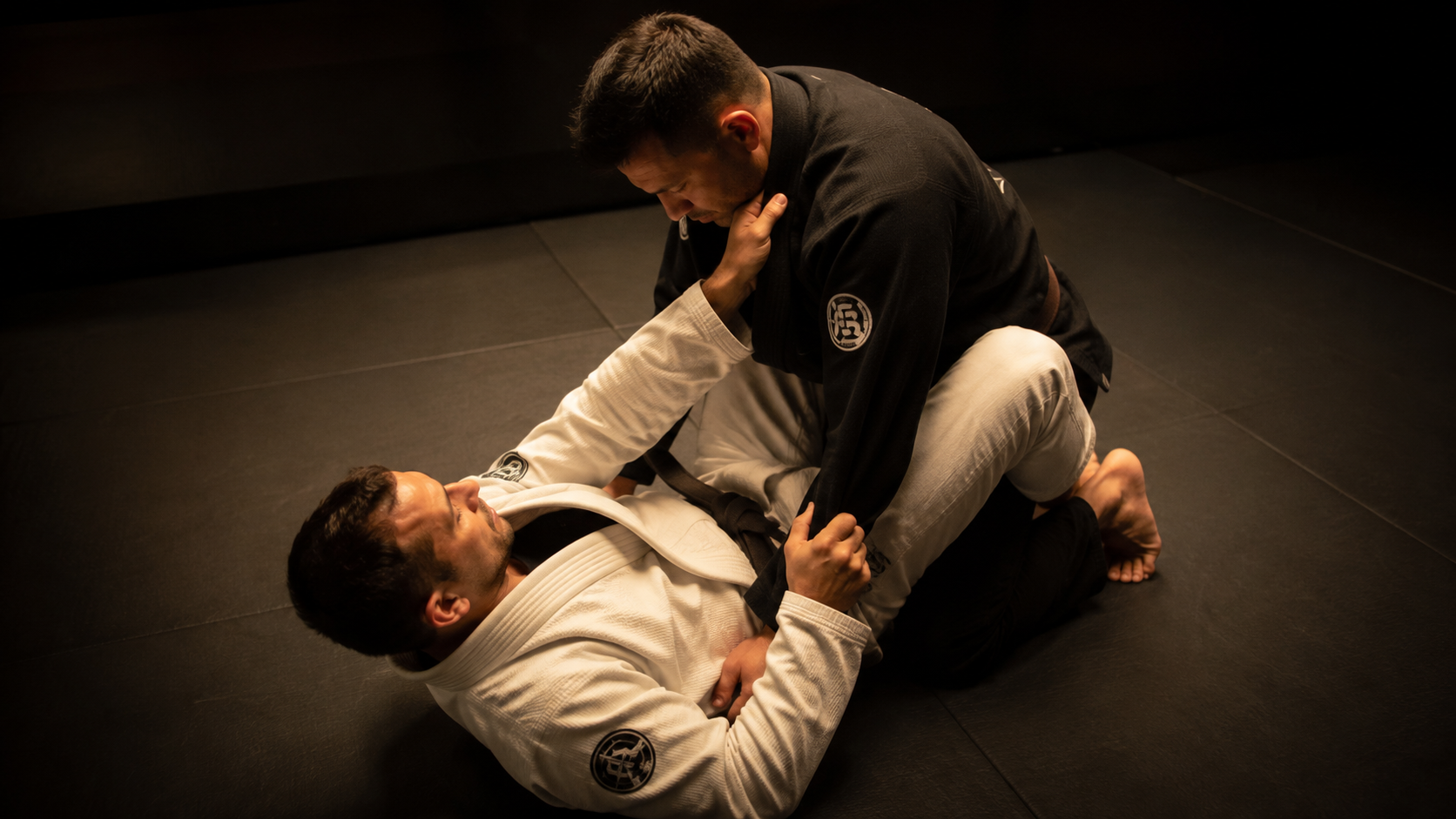
In combat sports where the Mydos reader typically trains, the reaction latency deficit carries particular weight. Timing windows in sparring are measured in milliseconds. A defended kick, a successful entry for a takedown, or a counter depend on responding inside a window that is typically between 100 and 300 milliseconds. A meaningful increase in reaction latency of the kind documented in psychomotor vigilance research changes how often a person operates inside or outside those windows, not in a way that is perceptually obvious in the moment, but in a way that shows up in the pattern of outcomes over a training session.
Highly drilled techniques with established motor programs draw less heavily on PFC-dependent processing and are less affected by sleep deprivation than adaptive responses to novel stimuli. Reading an unusual movement pattern, reacting to a rhythm change, or making a real-time strategic adjustment requires the PFC-dependent adaptive layer that sleep deprivation most severely impairs. Training on a poor night may favor technical drilling over live sparring for this reason, not as a prescription, but as a consequence of understanding which systems are most affected.
AUTOMATED TASKS
Relatively protected
Drilled techniques with established motor programs. These draw on distributed, less PFC-dependent circuits that are not as severely impaired by sleep deprivation.
NOVEL STIMULUS TASKS
Most impaired
Reading an unusual movement pattern, adapting to rhythm changes, or making a real-time strategic adjustment — these require the PFC-dependent adaptive layer that sleep deprivation most severely degrades.
At Work: How Sleep Deprivation Affects Work Performance
The cognitive deficits covered in the executive function section produce specific, measurable changes in professional performance. The changes are most pronounced for work that requires novel analysis, complex multi-step decisions, and interpersonal judgment under pressure.
One pattern that appears consistently in vigilance research is the presence of microsleep events during sleep-restricted wakefulness: brief lapses of one to fifteen seconds in which the brain transitions into a sleep-like state without the person’s awareness. These events are not perceived as lapses. They produce gaps in attention that are invisible in real time and recognizable only in retrospect, if at all. In a negotiation, a meeting involving complex information, or a careful review of a contract, these lapses produce missed context that compounds into downstream errors.
Error rates in multi-step cognitive work increase as working memory and sustained attention degrade. This is not a failure at individual cognitive steps but an accumulation of small errors across a chain of steps that compounds as the task grows in complexity. The longer and more interdependent the cognitive task, the more severely the aggregate error rate is affected by sleep restriction.
THREE COGNITIVE DEFICITS MOST IMPACTFUL AT WORK
1
Microsleep Events
Brief attention lapses of 1–15 seconds during wakefulness, imperceptible in real time, that produce gaps in information which compound into downstream errors.
2
Multi-Step Task Error Rate
Working memory and sustained attention degrade together, producing higher error rates across any cognitive chain requiring prior state to be held in mind.
3
Emotional Regulation
The PFC–amygdala regulatory pathway weakens, producing stronger reactivity under provocation — particularly consequential in leadership, client-facing, and negotiation contexts.
Emotional regulation is separately degraded. The connection between the amygdala and the prefrontal cortex normally allows the PFC to contextualize and modulate emotional reactions, reducing the magnitude of reactive responses and increasing patience under difficult interpersonal conditions. Sleep deprivation weakens this regulatory pathway, producing stronger reactivity to provocation and shorter patience during prolonged or frustrating exchanges. For anyone in a leadership, client-facing, or negotiation role, these are not abstract performance variables. They affect real professional outcomes.
Injury Risk: The Mechanism
The elevated injury risk from sleep deprivation follows from the neuromuscular impairments already established. Joint stabilization under dynamic load depends on fine-motor feedback loops, rapid motor corrections driven by the central nervous system, and the ability to respond to unexpected forces within very short time windows. The central motor drive reductions and reaction time slowing documented in the PVT literature apply to these stabilization processes as well as to gross motor output. A landing that requires a precise motor correction to distribute force correctly, a cutting movement requiring rapid joint stabilization, or a collision requiring a protective response are all affected by the same central impairments that show up in psychomotor vigilance data.
The cortisol changes add a structural dimension to this picture over time. Chronically elevated cortisol concentrations have catabolic effects on connective tissue, affecting the mechanical resilience of tendons and ligaments. One night of elevated cortisol is unlikely to produce structurally measurable changes. For an athlete accumulating connective tissue stress through high training volume, repeated disruptions to the cortisol pattern are a plausible contributor to the injury risk picture over weeks and months, though this mechanism is less directly studied than the neuromuscular pathway.
1.7×
INCREASED INJURY RISK
Milewski et al. 2014 — athletes sleeping <8 hours vs ≥8 hours per night
Injury Risk: What the Research Shows
The most frequently cited dataset on sleep deprivation and athletic injury is Milewski and colleagues’ 2014 retrospective study of 112 adolescent athletes. (Milewski et al. 2014) Athletes who averaged fewer than 8 hours of sleep per night were 1.7 times more likely to have sustained an injury over the course of the season compared to those sleeping 8 hours or more (95% confidence interval: 1.0 to 3.0; p = 0.04). Hours of sleep per night and grade in school were the two strongest independent predictors of injury in multivariate analysis.
Applying this to an adult training population requires care. The Milewski study involved adolescent athletes at a single school, used self-reported sleep data, and did not control for training load or sport type. The effect size is substantial, and the direction is consistent with the mechanistic evidence, but the specific figure is not directly transferable to an adult athletic context. What the mechanistic literature supports is the pathway: impaired neuromuscular control, elevated reaction latency, and degraded stabilization capacity under dynamic load. The Milewski data show that this pathway produces real injuries at a measurable rate in an athletic population.
MILEWSKI ET AL. 2014 — STUDY DESIGN CONTEXT
Population
112 adolescent athletes at a single school. Youth population — not directly transferable to adults.
Sleep Measure
Self-reported nightly sleep duration. Not polysomnography-confirmed.
Design
Retrospective. No control for training load or sport type.
Implication
Effect size is substantial and direction is consistent with the mechanistic evidence. Direct transfer to an adult athletic population requires care.
The muscles retain their metabolic capacity. The central drive organizing their contraction is attenuated.
Athletes who averaged fewer than 8 hours of sleep per night were 1.7 times more likely to have sustained an injury over the course of the season compared to those sleeping 8 hours or more.
The Mistakes Sleep-Deprived People Make
Understanding the biology also clarifies why two common responses to a bad night fail in predictable ways.
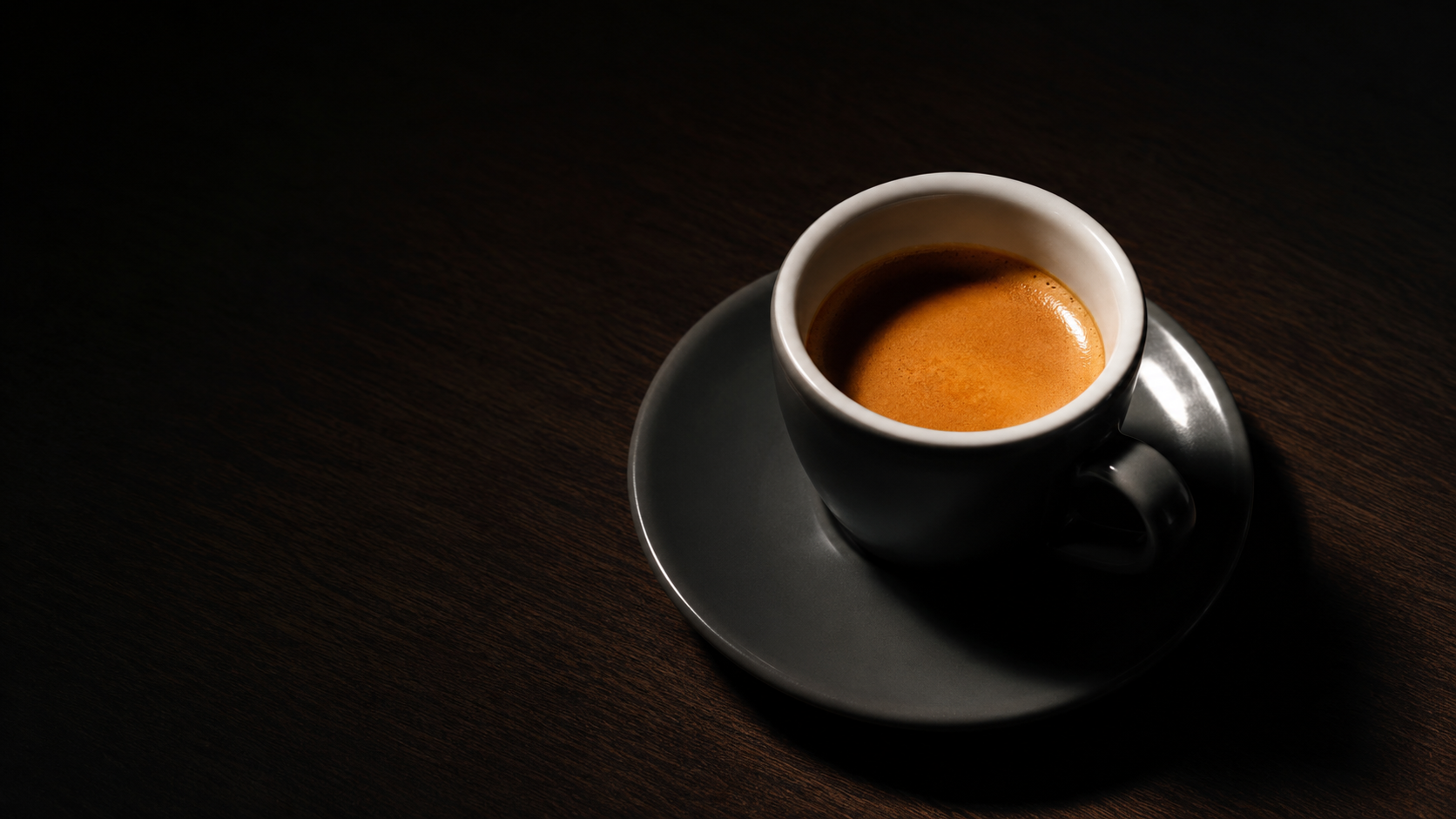
Does Caffeine Help With Sleep Deprivation?
Caffeine is an adenosine receptor antagonist. Adenosine is a molecule that accumulates during wakefulness and signals the brain to prepare for sleep; its binding to receptors produces the subjective experience of sleepiness. Caffeine blocks adenosine receptors, preventing the sleepiness signal from registering. It does not clear adenosine from the system, and it does not reverse the underlying changes that sleep deprivation has produced in the prefrontal cortex, the motor system, or the hormonal environment.
What caffeine reliably improves under sleep deprivation is alertness and performance on simple vigilance tasks. These improvements are real and well-documented. The issue is what caffeine does not address. Peak force production deficits originate in the central motor drive, not in the arousal circuits that caffeine engages. GH suppression and cortisol elevation occurred during the prior night and are not sensitive to caffeine intake during the following day. Complex executive function under sleep deprivation shows inconsistent improvement with caffeine, as Killgore and colleagues documented across multiple executive function tasks at standard doses. (Killgore et al. 2009)
The practical consequence is that caffeine makes a sleep-deprived person feel more functional while leaving several underlying deficits intact. In a low-stakes context this is tolerable. In a high-load training session or a decision with significant professional consequences, the combination of reduced capacity and increased perceived capacity is specifically problematic.
WHAT CAFFEINE ADDRESSES
Alertness and simple vigilance
Caffeine blocks adenosine receptors and reliably improves the subjective sense of alertness and performance on simple vigilance tasks. These improvements are real and documented.
WHAT CAFFEINE LEAVES INTACT
The underlying deficits
Peak force production, GH suppression from the prior night, and complex executive function impairment are not reversed by caffeine. The deficit runs under the restored sense of alertness.
You Cannot Accurately Assess Your Own Impairment
The most operationally significant feature of sleep deprivation is not the deficits themselves, but the consistent failure to perceive them accurately. In the Van Dongen and colleagues study, subjects restricted to six hours of sleep per night for fourteen days accumulated cognitive deficits equivalent to two days of total sleep deprivation, while their subjective sleepiness ratings plateaued after a few days and stopped tracking the continuing impairment. (Van Dongen et al. 2003) They felt somewhat less sharp than baseline. They were performing at a level far below it.
The mechanism behind this failure is the same mechanism being impaired. The prefrontal cortex is primarily responsible for meta-cognitive self-monitoring: the capacity to observe and evaluate your own cognitive performance. Sleep deprivation selectively impairs PFC function. The instrument doing the assessment is the instrument being degraded. A sleep-deprived person cannot generate an accurate read of their own state because the faculty used for that assessment is compromised.
This pattern is plausibly amplified in trained athletes. High self-efficacy and a developed tolerance for discomfort are traits that emerge from consistent training, and they are genuinely useful. They also make it harder to distinguish between a meaningful internal signal of degraded performance and the general discomfort that training habitually produces. The more practiced someone is at pushing through difficulty, the more that practice becomes a liability when the internal signal they are pushing through is a deficit they are failing to measure accurately.
Caffeine makes a sleep-deprived person feel more functional while leaving several underlying deficits intact.
The instrument doing the assessment is the instrument being degraded.
Applying the Mechanism: What to Do With This Information
The mechanisms covered above describe a set of constraints. Understanding those constraints changes how a person with that information would approach certain decisions on sleep-restricted days. The mechanism itself implies which variables are most affected and which are most protected, without requiring any prescription.
Training decisions are a question of risk-to-benefit ratio for a given session. High maximal effort work, heavy resistance training, and technical live sparring all require peak force output, precise neuromuscular control, and rapid adaptive reaction. These are the systems most impaired by sleep deprivation, and a session demanding all three carries the same mechanical requirements as any other day with reduced capacity to meet them safely and efficiently. Lower-intensity technical work, aerobic conditioning, and deliberate skill drilling on familiar patterns draw less heavily on the compromised systems and carry a lower risk profile.
Work decisions follow the same logic applied to a different domain. PFC-dependent tasks are most affected: novel analysis, high-stakes decisions involving ambiguity, and work requiring the integration of unfamiliar information. When those tasks can be deferred by a day without real cost, the mechanism provides a clear reason to defer them. Procedural work, familiar analytical processes, and tasks with well-defined right answers are less impaired.
THREE DOMAINS OF APPLICATION
Training
High-load maximal effort, technical sparring, and reactive drilling sessions carry the highest risk-to-benefit ratio on sleep-restricted days. Lower-intensity technical work and familiar aerobic conditioning are less impaired and carry lower risk.
Work
PFC-dependent tasks — novel analysis, high-stakes decisions, judgment calls involving significant ambiguity — benefit most from deferral. Procedural and familiar analytical work is less sensitive to sleep-restriction impairment.
Monitoring
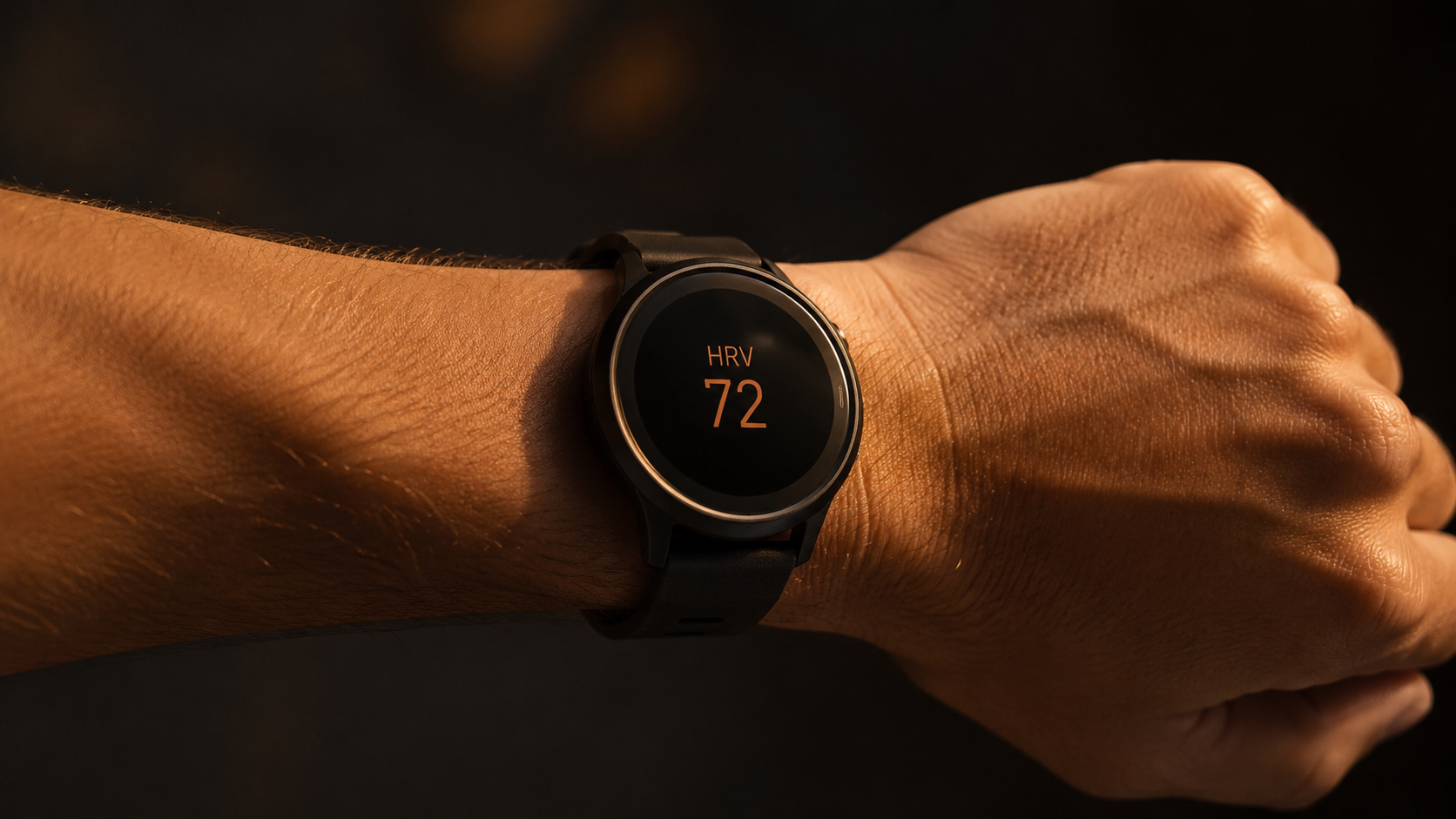
External metrics (HRV, pace at a given effort level, accuracy rates on familiar tasks) are more reliable than internal sensation on sleep-restricted days. The impairment blind spot makes self-assessment systematically optimistic.
For monitoring on sleep-restricted days, external metrics are more reliable than internal sensation. Heart rate variability as a recovery indicator, pace-at-effort-level during training, or accuracy rates on familiar cognitive tasks tell a more honest story than how capable a person subjectively feels. The impairment blind spot means that self-assessment runs systematically optimistic on bad-sleep days. External metrics do not share that bias.
External metrics do not share that bias.
Frequently Asked Questions
How does sleep deprivation affect reaction time?
Sleep deprivation impairs sustained attention and response initiation by degrading prefrontal cortex function, producing two measurable changes: a longer mean latency between stimulus and response, and greater variability in that latency. On any given attempt, a sleep-deprived person’s reaction may be near normal or significantly below it, with no reliable warning in advance.
Does one bad night of sleep really affect athletic performance?
Yes, measurably. One night of poor sleep reduces peak force production and elevates rate of perceived exertion at a given training load. In combat sports and other reactive disciplines, meaningful increases in reaction latency affect performance inside the narrow timing windows that sparring requires. Highly automated techniques are less affected than adaptive responses to novel stimuli.
Can caffeine help with sleep deprivation before training?
Caffeine blocks adenosine receptors and reliably improves alertness and simple vigilance. It does not restore peak force production, repair GH suppression from the prior night, or consistently improve complex executive function. Several underlying neuromuscular and cognitive deficits remain active after caffeine. Its effects on higher-order tasks under sleep deprivation are task-specific and inconsistent.
How does poor sleep affect work performance and decision-making?
Sleep deprivation produces microsleep events, increases error rates in multi-step cognitive tasks, and impairs prefrontal function governing working memory and adaptive reasoning. Emotional regulation is separately affected, producing stronger reactive responses under provocation. Effects are most pronounced for decisions involving novel information, high stakes, or significant ambiguity, and least pronounced for routine procedural tasks.
How much does sleep deprivation increase injury risk in athletes?
A 2014 study found adolescent athletes sleeping fewer than 8 hours per night were 1.7 times more likely to sustain an injury compared to those sleeping 8 or more hours. The biological pathway includes impaired neuromuscular control, elevated reaction latency, and reduced joint stabilization capacity under dynamic load. Adult-specific data are limited; the mechanism is consistent.
The Bottom Line
Sleep deprivation is not primarily a problem of tiredness. It produces specific, measurable deficits in reaction time and neuromuscular output, specific impairments in the prefrontal systems that govern adaptive decision-making, and specific disruptions to the hormonal signals that drive physical recovery. These deficits operate independently of how tired a person feels.
The piece that most people miss is the last part. A person who pushes through a bad night is managing impaired performance while the system responsible for detecting that impairment is itself compromised. The deficit runs. The signal that would normally register it does not reach the threshold for awareness.
That is what makes sleep deprivation different from most other performance variables. Dehydration produces thirst. Glycogen depletion produces a flat, heavy feeling that is relatively easy to interpret. Prefrontal impairment from sleep restriction produces something that feels, to the person experiencing it, very close to normal.
Prefrontal impairment from sleep restriction produces something that feels, to the person experiencing it, very close to normal.
One bad night doesn’t just slow your reaction time. It degrades the system you’d use to notice.
The most consequential deficits from sleep deprivation are not the ones that feel worst. They are the ones that impair the monitoring capacity a person would normally use to detect them. That is the distinction between tiredness — which is manageable — and the actual mechanism.
Mydos Performance
— Fatigue, Recovery and Durability Series —
Sleep Deprivation and Reaction Time: One Bad Night Affects Performance More Than You Think
The deficit isn’t the fatigue. It’s the gap between how functional you feel and how functional you are.
· By Ricardo Londono, MD/PhD ·